
Plant profile
Balsam Willow
Balsam Willow
Salix pyrifolia
Expected availability · late 2028
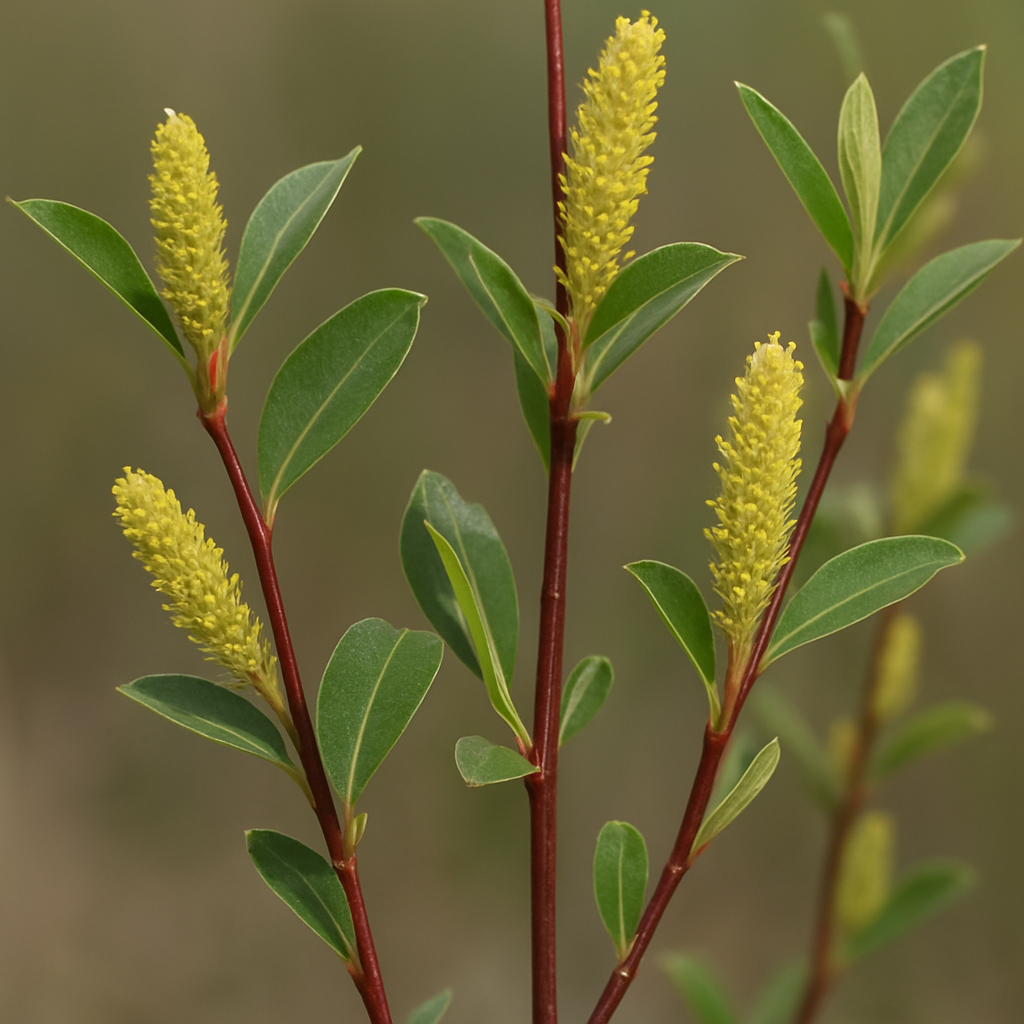
At a Glance
About
Choose Balsam Willow for spring catkins. This Willow Works selection is being developed for customers who want distinctive, useful willow material.
Best Uses
Spring arrangements, seasonal branches, and floral work where catkin texture is part of the design.
Choose This If…
Choose this if spring catkins matches the catkin color, scale, or texture you want in the arrangement.
Material Details
Spring catkins. Primary harvest: Late Winter–Early Spring. Best stage: Catkins at marketable bud/open stage.
Growing requirements
- Water
- Consistent moisture during establishment; willow generally performs best with reliable moisture
- Soil
- Adaptable where moisture is adequate; field performance will refine local guidance.
- Drainage
- Moist, not drought-prone
- Growth rate
- Fast
Fruit, flower, or harvest traits
The feature to watch is spring catkins. Best suited to catkin stems, floral design, seasonal branches.
Pollination and compatibility
Willows are dioecious; flower sex will be recorded from field observation where not already verified.
Role at Bloom & Buzz
We chose this variety first for its customer value as spring catkins. When it flowers, its place in Willow Works also connects the crop to Bloom & Buzz Apiary by adding seasonal forage for pollinators.