Start with how you want the honey to eat and behave, then choose the form that fits.
Raw honey stays closest to the harvested liquid form
Bloom & Buzz raw honey is lightly strained and bottled without pasteurization, ultrafiltration, blending, or additives. Flavor and color can vary with the harvest.
Creamed honey is about texture
Creamed honey is intentionally managed toward a smooth, spreadable texture. It is useful when you want honey that stays on toast, biscuits, or a spoon more easily than liquid honey.
Comb honey keeps the wax and honey together
Comb honey is eaten with the edible beeswax and offers a different texture and presentation. Availability depends on what the colonies produce in a given season.
Quick answers
Is your honey raw?
Our honey is lightly strained and bottled without ultrafiltration, pasteurization, blending, or additives.
What is creamed honey?
Creamed honey is honey whose crystallization is managed toward a fine, smooth, spreadable texture. It is a texture choice rather than a different sweetener.
Can you eat the wax in comb honey?
Yes. Comb honey is eaten with the beeswax. It has a different texture and presentation from extracted honey, and its availability depends on the seasonal harvest.
Honey is an agricultural harvest, so one batch does not have to look or taste exactly like the next.
Forage shapes the harvest
The plants available to the colonies change through the season, influencing the color, aroma, and flavor of each harvest.
Variation is useful information, not a defect
A lighter or darker jar can reflect a different harvest window rather than a different level of quality. Treat each seasonal batch as a record of what the bees were working at that time.
Quick answers
Where is your honey from?
Our honey comes from colonies managed on our farmstead in West Tennessee and reflects forage from the surrounding Carroll County landscape.
Crystallization is a normal physical change in honey, not a sign that it has spoiled.
Different honeys crystallize at different rates
Floral source, storage temperature, and the natural balance of sugars influence when crystals form and how coarse or fine they become.
Texture can be changed gently
If you prefer liquid honey, gentle warming can soften crystals. If you prefer a spreadable texture, crystallization itself can be useful rather than something to prevent.
Quick answers
What is creamed honey?
Creamed honey is honey whose crystallization is managed toward a fine, smooth, spreadable texture. It is a texture choice rather than a different sweetener.
Why does honey crystallize?
Crystallization is a natural process influenced by floral source, the balance of natural sugars, and temperature. It does not mean the honey has spoiled.
A traceable source helps connect the jar to the colonies, landscape, harvest, and handling behind it.
Bloom & Buzz honey is tied to our Carroll County apiary
Our colonies are managed on the farmstead in West Tennessee, and each harvest reflects the surrounding forage available to those bees.
Ask about harvest and handling, not just a marketing label
Useful questions include where the colonies are kept, how the honey is processed, whether it is blended, and what season or harvest the jar represents.
Quick answers
Where is your honey from?
Our honey comes from colonies managed on our farmstead in West Tennessee and reflects forage from the surrounding Carroll County landscape.
If you want the honey liquid again, use gentle heat rather than treating crystallization as spoilage.
Warm gradually
Place the closed container in warm water and give the crystals time to dissolve. Gentle warming is easier to control than high direct heat.
Only liquefy what you need if crystallization keeps returning
Some honeys naturally recrystallize after they cool. Warming a smaller amount can be more convenient than repeatedly heating the whole jar.
Quick answers
Why does honey crystallize?
Crystallization is a natural process influenced by floral source, the balance of natural sugars, and temperature. It does not mean the honey has spoiled.
Choose honey by the flavor, moisture, and texture you want it to contribute.
Taste first when the honey is part of the flavor
Seasonal honey can be mild, floral, darker, or more aromatic. When it will be noticeable in the finished food, taste the batch before deciding how much to use.
Honey changes more than sweetness in a recipe
It also contributes moisture and browning. In recipes written for another sweetener, adjustments may be needed rather than making a one-for-one substitution automatically.
What blooms around the apiary helps shape colony growth and the character of each harvest.
Forage is a landscape, not one crop
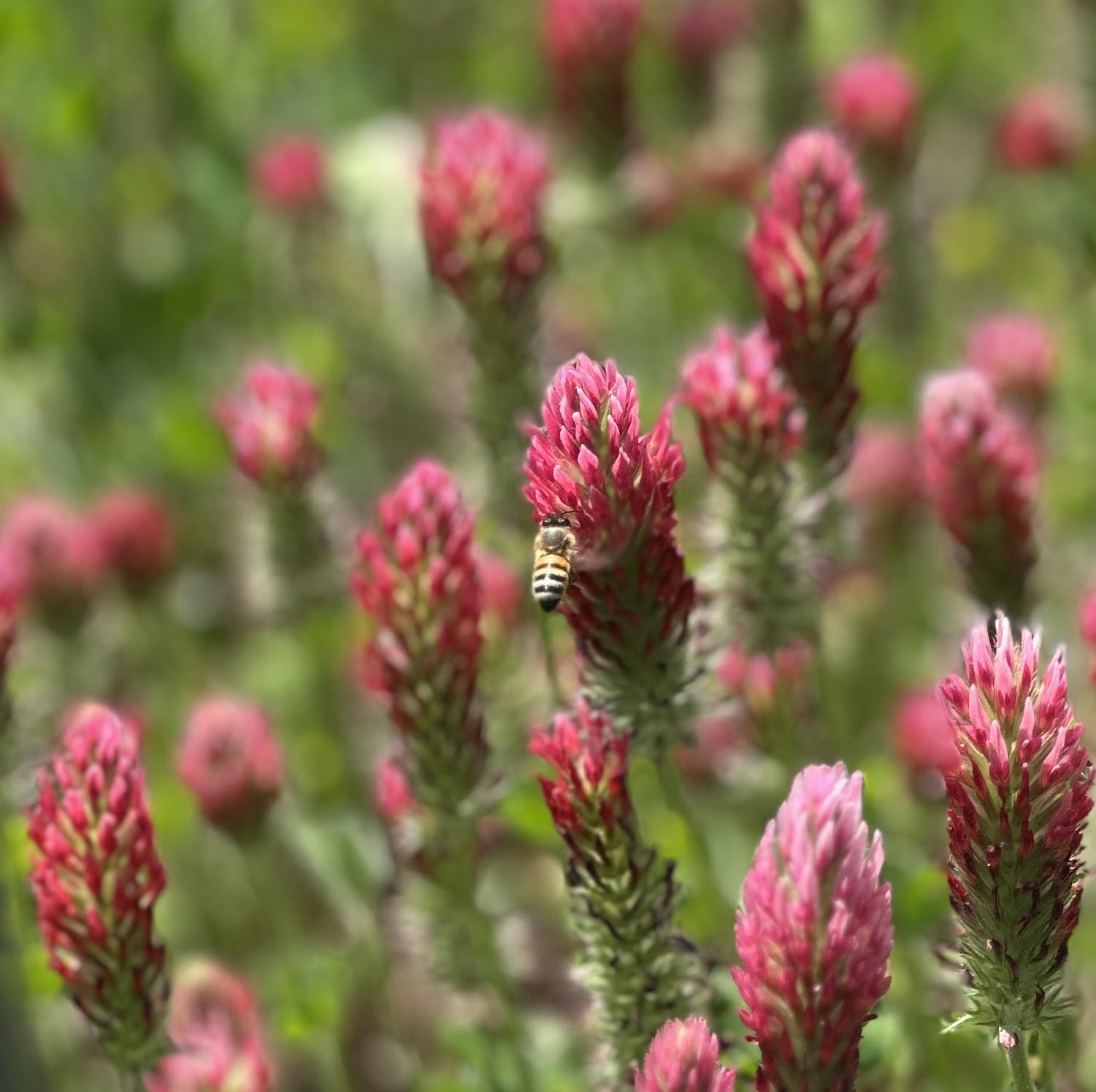
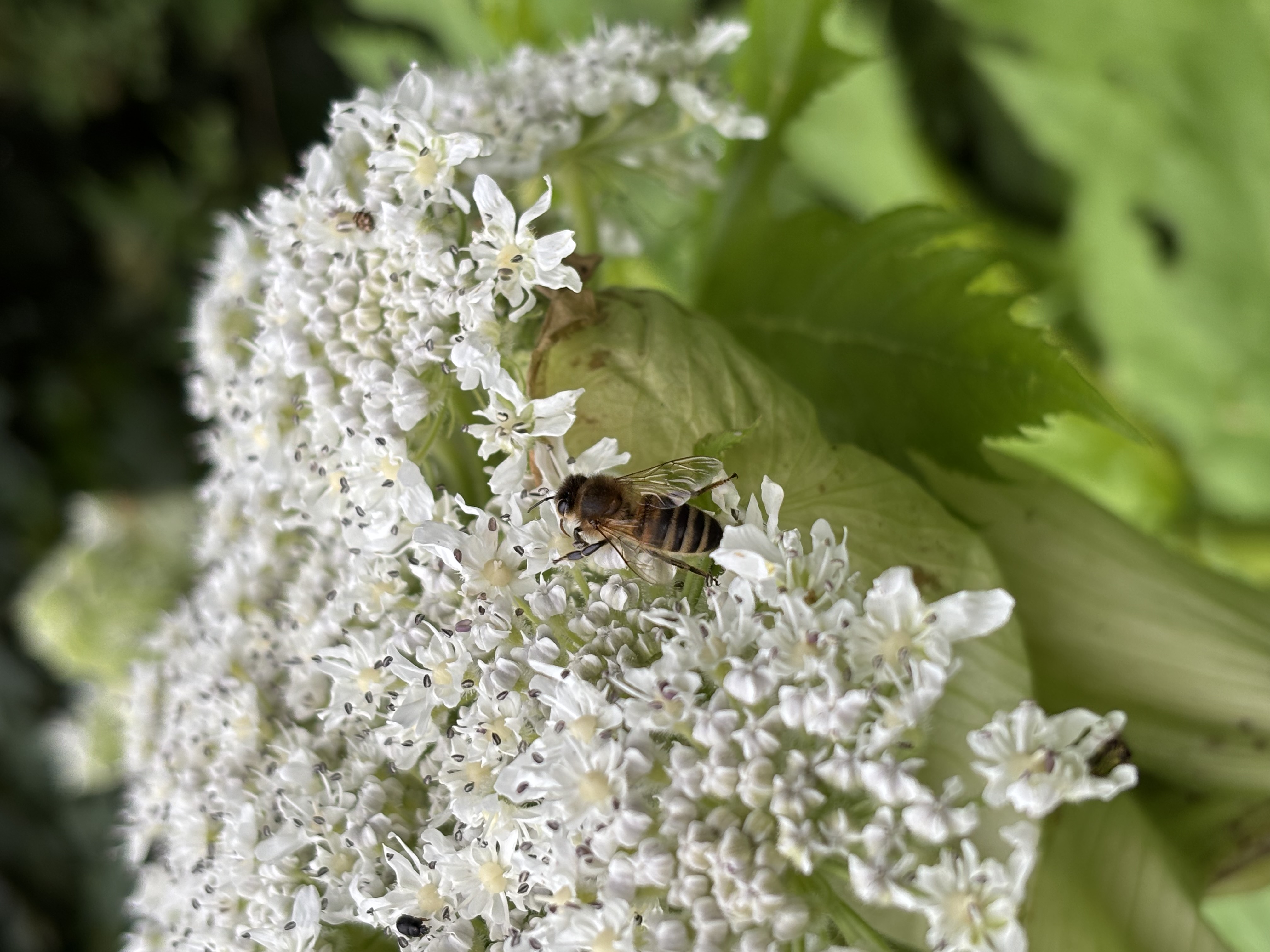
Trees, shrubs, field edges, gardens, crops, and uncultivated plants contribute at different points in the season. Weather determines whether a bloom actually becomes useful forage.
The useful question is what is available now
A plant list matters less than the overlap between bloom, flying weather, colony strength, and what else is competing for the bees at that moment.
A honey harvest develops from the timing of colony strength, bloom, weather, and available storage space.
Spring buildup and nectar flow are connected
Colonies need enough adult bees at the right time to make strong use of a nectar flow. A good bloom does not automatically create a large surplus if weather or colony strength does not line up.
Every season leaves a different record
The Journal documents forage, colony work, and harvest conditions so a jar can be understood in the context of the season that produced it.
Harvesting begins with deciding that the colony has surplus honey that can be removed without treating its own needs as secondary.
Surplus comes before extraction
Honey intended for harvest is stored above the colony in removable supers. Timing depends on colony condition, nectar flow, ripeness, and the beekeeper’s plan for the remaining season.
Handling should preserve the character of the harvest
Bloom & Buzz honey is lightly strained and bottled without pasteurization, ultrafiltration, blending, or additives so seasonal differences remain part of the product.
Quick answers
Is your honey raw?
Our honey is lightly strained and bottled without ultrafiltration, pasteurization, blending, or additives.
The shop is the source of truth for honey and Apiary products that are currently available to order.
Inventory follows the harvest
Apiary products are seasonal and small-batch. A product may sell out between harvests rather than remaining continuously stocked.
Use the product listing for the current format and quantity
The shop shows the products that can actually be ordered now, while the Apiary guide explains the differences between forms and harvests.
Quick answers
Can I purchase honey online?
Yes. Products that are currently available appear in the Apiary Shop. Inventory follows the harvest and may sell out between seasonal runs.
Why is Apiary inventory seasonal?
Honey and other Apiary products depend on colony performance and the harvest. We list what is genuinely available rather than treating every product as continuously stocked.
When local pickup is available for an order, the applicable option is shown during checkout.
Order first, then follow the checkout instructions
Pickup availability is tied to the products and fulfillment options offered at that time. Use the checkout flow rather than assuming every item has the same pickup arrangement.
Quick answers
Do you offer pickup or shipping?
Shipping and local pickup options are shown during checkout when they are available for the products in the order.
Shipping options are shown during checkout when they are available for the products in the order.
Fulfillment can vary by product
Honey, comb, beeswax goods, and future seasonal products may not all share the same practical shipping options. The checkout flow reflects what can be offered for the current order.
Quick answers
Do you offer pickup or shipping?
Shipping and local pickup options are shown during checkout when they are available for the products in the order.
When you need something beyond the quantities currently shown in the shop, start with the Apiary contact form.
Lead with quantity, timing, and intended use
For gifts, events, or a larger request, tell us the approximate quantity and target date. What can be offered still depends on current harvest and inventory.
Quick answers
Can I ask about gifts or a larger quantity?
Yes. Use the Apiary contact form with the approximate quantity and target date. What can be offered depends on current harvest and inventory.