Skip to content
Bloom & Buzz Small-batch. Single source. Carroll County, Tennessee.
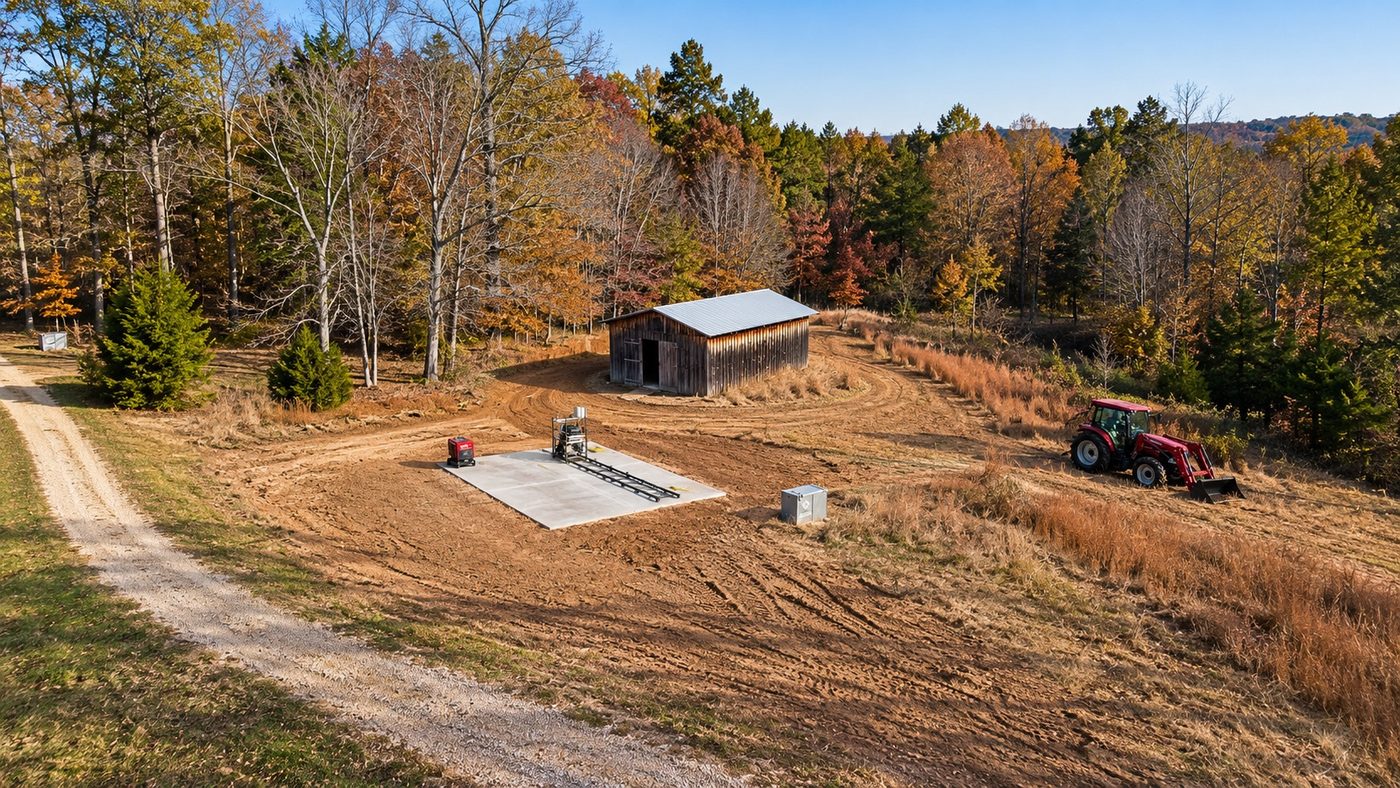
Aerial view of the Bloom & Buzz sawmill yard, barn, mill pad, and tractor

Sawmill & Lumber

Lumber with a history.

Locally milled specialty lumber, rough-sawn stock, and custom material from logs available at Bloom & Buzz.

From log to lumber. Milled, dried, tracked, and sold piece by piece.

Not sure where to start?

Start with the outcome, not the catalog.

Choose what you are trying to accomplish. We will narrow the decision, explain what matters, and connect you to the right lumber, wood profile, or custom-sawn path.

Start here

What are you trying to do?

Your goal

Find lumber for a project

Learn Sawmill › Find lumber › Choose a topic

Sawmill & Lumber › Find lumber

Find lumber

Find a distinctive exact piece

Use specialty inventory when the exact slab, mantel, beam, pair, or figured piece matters to the project.

Specialty lumber is piece-specific

Each listing represents an exact physical piece. Dimensions, figure, drying status, provenance, and reservation status belong to that piece rather than to a generic stock class.

Choose this path when character is part of the design

Wide slabs, bookmatched pairs, mantels, beams, unusual figure, and one-off project blanks are easier to evaluate as individual material than as standard inventory.

Sawmill & Lumber › Find lumber

Find lumber

Buy standard rough-sawn stock

Use standard inventory when species, thickness, usable length, and board-foot quantity matter more than choosing one exact board.

Standard lumber is sold by specification

Inventory lots group ordinary boards by wood, rough thickness, length range, drying status, and available board-foot quantity. Actual boards are allocated during fulfillment.

This is the simpler path for repeatable material needs

Shelving, furniture parts, shop stock, and other projects that do not depend on one uniquely figured board usually fit this route better than specialty inventory.

Sawmill & Lumber › Find lumber

Find lumber

Reserve lumber while it dries

Some unique pieces can be reserved before they are ready, but final readiness follows moisture and inspection rather than a promised calendar date.

A reservation holds a specific piece

When a drying specialty piece is offered for reservation, the reservation deposit commits that material while it continues through the drying process.

Drying can change material

Movement, checking, or other drying changes can affect final suitability. A material change that matters to the sale is reviewed before final payment.

Sawmill & Lumber › Find lumber

Find lumber

See what is available now

The Sawmill Shop is the source of truth for material currently offered for purchase or reservation.

Inventory changes as milling and drying progress

New pieces appear after they are milled, identified, photographed, and entered into inventory. Ready stock depends on the material that has actually completed drying and inspection.

Your goal

Choose the right wood

Learn Sawmill › Choose wood › Choose a topic

Sawmill & Lumber › Choose wood

Choose wood

Match wood to the project

Begin with what the finished piece needs to do, then use the Wood Guide profiles to narrow the material.

Project requirements come before species preference

Interior furniture, shelving, exterior work, turning, mantels, and structural-looking pieces place different demands on hardness, movement, decay resistance, dimensions, and appearance.

The Wood Guide explains why a material fits

Each Wood Guide profile combines descriptive traits with comparative scales so you can compare woods without relying on a species name alone.

Sawmill & Lumber › Choose wood

Choose wood

Compare hardness & workability in the Wood Guide

Harder is not automatically better. Consider how the wood will cut, machine, fasten, shape, and finish for your project.

Balance wear resistance with the way you work

A harder wood may resist dents better, while an easier-working wood may be more practical for hand tools, shaping, or a project with many machining operations.

Sawmill & Lumber › Choose wood

Choose wood

Compare stability & durability in the Wood Guide

Movement and natural decay resistance matter most when the project environment makes them relevant.

Stability describes dimensional movement

Wood changes moisture with its environment. Species differ in how much movement they tend to show, and board orientation, drying, and construction still matter.

Natural durability is not the same as structural suitability

Decay resistance can matter outdoors, but dimensions, design, drying, and exposure conditions still determine whether a particular piece is appropriate.

Sawmill & Lumber › Choose wood

Choose wood

Choose by color, grain & character

When appearance is central to the project, compare color, aging, grain, figure, and the amount of visual character you want.

Fresh color is only part of the story

Many woods change noticeably with light, oxidation, and finish. The profile describes both current appearance and how the wood is expected to age.

Character can be the reason to choose a specific piece

Knots, crotch figure, live edge, unusual grain, or bookmatching may turn a general species choice into a specialty-piece decision.

Your goal

Plan custom-sawn material

Learn Sawmill › Plan custom sawn › Choose a topic

Sawmill & Lumber › Plan custom sawn

Plan custom sawn

Start with the project type

Tell us what the material needs to become so feasibility can be evaluated around the project rather than a vague lumber request.

The request can begin in ordinary language

A table, mantel, shelves, post, beam, bookmatched pair, or turning blank gives useful context even if you do not know lumber terminology yet.

Sawmill & Lumber › Plan custom sawn

Plan custom sawn

Work out dimensions & board feet

Provide the rough thickness, width or depth, length, and quantity you need. The request builder calculates board feet for you.

Rough lumber dimensions leave room for later preparation

If you only know the finished dimensions you need, describe the project and choose “I’m not sure” where appropriate rather than guessing at quarter-sawn thickness terminology.

Sawmill & Lumber › Plan custom sawn

Plan custom sawn

Choose rough, planed, or jointed material

Preparation depends on both the project and whether the piece fits the available planer and jointer.

Rough sawn preserves the mill surface

Planing can make thickness more consistent, while jointing adds a flattened reference face or edge where dimensions fit the equipment. Oversize pieces may still need to be supplied rough.

Sawmill & Lumber › Plan custom sawn

Plan custom sawn

Understand feasibility, drying & deposit

A custom request is reviewed before a quote or production deposit is created.

The form is a feasibility request, not an instant order

We first confirm suitable logs or material, practical dimensions, preparation, drying expectations, and final pricing.

Accepted custom jobs use a non-refundable production deposit

The deposit is created only after the quote is accepted and commits material and a production slot to the job.

Your goal

Understand how our lumber works

Learn Sawmill › Understand lumber › Choose a topic

Sawmill & Lumber › Understand lumber

Understand lumber

Specialty vs. standard lumber

The distinction is about whether you are buying one exact piece or a material specification.

Specialty means the exact physical piece matters

A slab, mantel, beam, pair, or figured blank is evaluated and sold as an individual piece.

Standard means the specification matters

Species, rough thickness, usable length range, drying status, and board-foot quantity define the purchase while the actual boards are allocated during fulfillment.

Sawmill & Lumber › Understand lumber

Understand lumber

Rough vs. prepared lumber

Rough-sawn, planed, and jointed material are different stages of preparation rather than different grades of wood.

Rough sawn keeps more material for the buyer to work

Planing and jointing can reduce preparation work when dimensions fit our equipment, but they also remove material. The right choice depends on your tools and finished-size needs.

Sawmill & Lumber › Understand lumber

Understand lumber

Drying, moisture & reservations

Drying status tells you where material is in the process; suitability for a project depends on moisture, dimensions, and intended use.

Time alone does not define readiness

Lumber is monitored as it air dries. Final readiness follows moisture and inspection rather than a fixed promise based only on elapsed time.

Reservations allow a unique piece to be claimed earlier

When offered, a reservation can hold a drying specialty piece while leaving final payment until the material reaches the agreed sale condition.

Sawmill & Lumber › Understand lumber

Understand lumber

Follow wood from log to lumber

Where records are available, the material stays connected to its species, source log, milling sequence, drying history, inventory record, and sale.

Provenance is useful information, not decoration

Keeping a piece tied to its source helps explain what it is, how it was milled and dried, and why a distinctive board or slab has the dimensions and character it does.

Want the process behind the material?

Follow logs through milling, drying, and inventory.

Explore Our Sawmill See process notes →